
The Science Behind Orthodontic Correction
The human mouth is a remarkable example of biomechanical engineering, where teeth, bone, and soft tissue work in harmony to facilitate essential functions like chewing, speaking, and breathing. When this delicate balance is disrupted by malocclusions such as overbites or underbites, braces Balwyn becomes necessary. The correction of these conditions through orthodontic appliances represents a fascinating application of physics and biology working together to reshape the skeletal and dental structures over time.
Overbites and underbites are among the most common orthodontic concerns that patients seek to address. An overbite occurs when the upper front teeth extend too far over the lower teeth, whilst an underbite presents the opposite scenario, with the lower teeth protruding beyond the upper teeth. Both conditions can result from genetic factors, childhood habits, or developmental irregularities. Understanding how specialists approach complex bite issues provides valuable insight into the sophisticated nature of orthodontic treatment.
Biomechanical Principles at Work
The correction of malocclusions relies on the principle that bone is a dynamic, living tissue capable of remodelling in response to sustained pressure. When orthodontic appliances apply controlled forces to teeth, they initiate a biological process known as bone remodelling. This process involves the coordinated activity of osteoclasts, which break down bone tissue on the pressure side of the tooth, and osteoblasts, which build new bone on the tension side. This cellular activity allows teeth to gradually migrate through the jawbone to their desired positions.
The forces applied by braces Balwyn must be carefully calibrated. Too much force can damage the tooth root or surrounding tissues, whilst insufficient force fails to trigger the necessary biological response. Orthodontic treatment and biomechanics research has established optimal force levels that promote healthy tooth movement whilst minimising patient discomfort and treatment duration.
Components Working Together
Brackets and Archwires
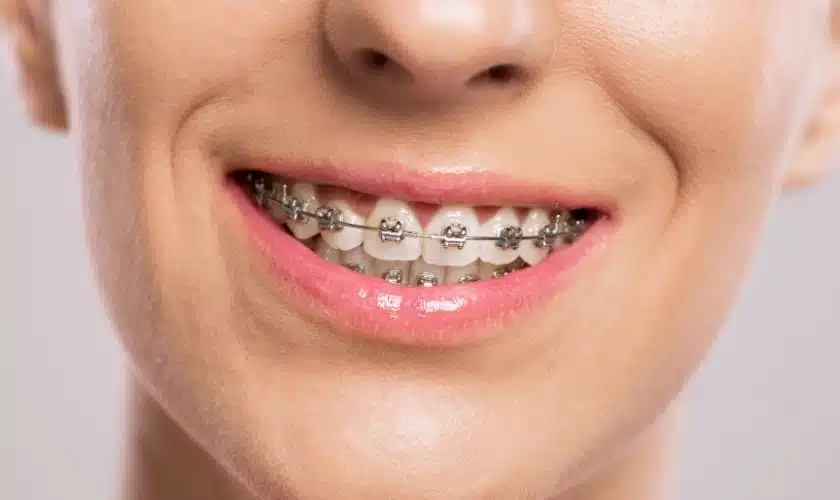
The primary components of traditional orthodontic appliances work as an integrated system to deliver precise forces. Brackets bonded to each tooth serve as anchors for the archwire, which acts as the guide along which teeth align. The archwire’s inherent tendency to return to its original shape creates the gentle, continuous pressure needed for tooth movement.
Elastic Ligatures and Power Chains
Elastic components play a crucial role in applying targeted forces to specific teeth or groups of teeth. These small but mighty elements can close gaps, rotate teeth, or adjust the relationship between upper and lower jaws. Their elasticity allows for consistent force application between adjustment appointments, gradually encouraging teeth into their intended positions through sustained biomechanical pressure.
Correcting Overbites Through Strategic Force Application
The correction of an overbite requires a multifaceted approach that addresses both the position of individual teeth and the relationship between the upper and lower jaws. Orthodontic appliances may incorporate headgear, elastics, or specialised springs to encourage the upper teeth to move backwards whilst simultaneously guiding the lower teeth forward. In some cases, temporary anchorage devices provide stable points from which to apply forces, allowing for more predictable tooth movement patterns.
The timeline for overbite correction varies considerably depending on the severity of the malocclusion and the patient’s age. Younger patients often experience faster results due to their actively growing skeletal structures, whilst adult patients may require longer treatment periods as their bones have completed development. Research into orthodontic outcomes continues to refine treatment protocols and improve predictability for patients of all ages.
Addressing Underbites With Precision Mechanics
Underbite correction presents unique challenges as it often involves encouraging forward growth of the upper jaw or restricting growth of the lower jaw in younger patients. For adults, treatment may focus on dental compensation, where teeth are repositioned to improve the bite relationship even when the underlying skeletal discrepancy remains. Reverse-pull headgear and functional appliances can harness the forces of muscle activity and jaw movement to guide skeletal development in favourable directions.
The success of underbite correction depends heavily on early diagnosis and intervention. When treatment begins during childhood or adolescence, orthodontists can work with the natural growth patterns to achieve more comprehensive results. Those seeking braces Balwyn providers or orthodontic care elsewhere should understand that timing significantly influences treatment outcomes and options available.
The Path to a Balanced Bite
Orthodontic correction of overbites and underbites represents a sophisticated application of biomechanical principles to achieve functional and aesthetic improvements. Through carefully controlled forces delivered over time, orthodontic appliances harness the body’s natural capacity for bone remodelling to reshape dental and skeletal relationships. Patients who commit to their treatment protocols and attend regular adjustment appointments can look forward to improved oral function, enhanced facial aesthetics, and better long-term dental health outcomes.