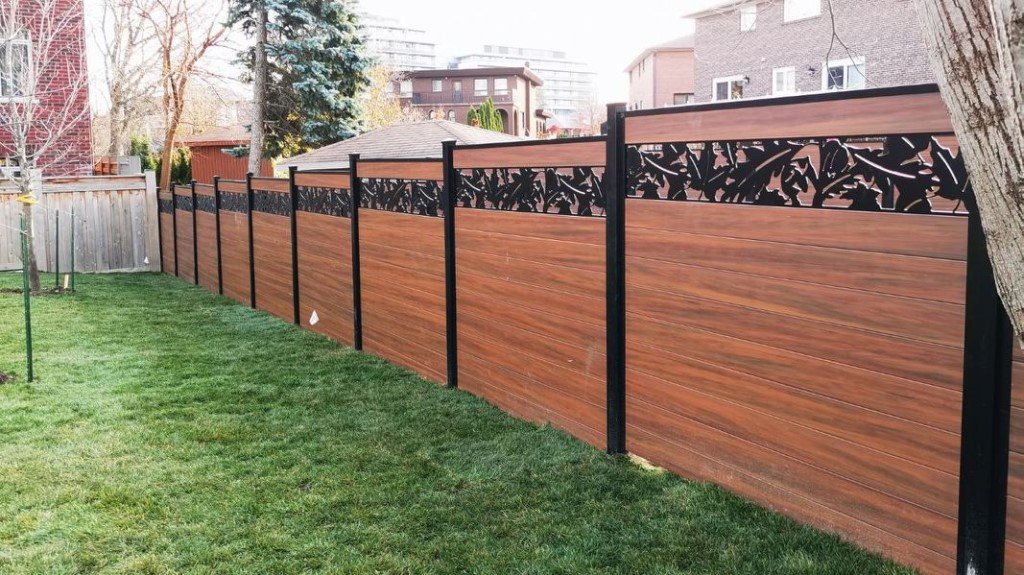

Property privacy often depends on thoughtful boundary planning. Fence height, spacing, materials, and placement all shape that outcome. A Fencing company in Buda, TX can help match those details with yard conditions, household needs, and visual preferences. Good planning also considers gates, sightlines, drainage, and available space. Each choice affects how the finished boundary functions. A suitable design creates separation without making outdoor areas feel closed.
Tailored Dimensions Create Better Privacy
Custom measurements help fencing follow actual yard conditions. Sloped ground, narrow corners, and uneven edges require careful adjustments. Fixed designs may leave unwanted gaps or awkward transitions. Proper dimensions keep panels aligned across changing sections. The result feels intentional while preserving useful outdoor space.
Which Materials Suit Privacy Needs?
Material choice affects visibility, maintenance, and overall character. Solid panels block direct sightlines across seating areas. Slatted designs allow airflow while reducing visual exposure. Durable construction also matters around active outdoor spaces. Key considerations include:
- Select panel styles based on sightline needs.
- Match materials with existing exterior finishes.
- Consider airflow around enclosed sections.
- Choose finishes suited to local conditions.
Placement Can Shape Outdoor Seclusion
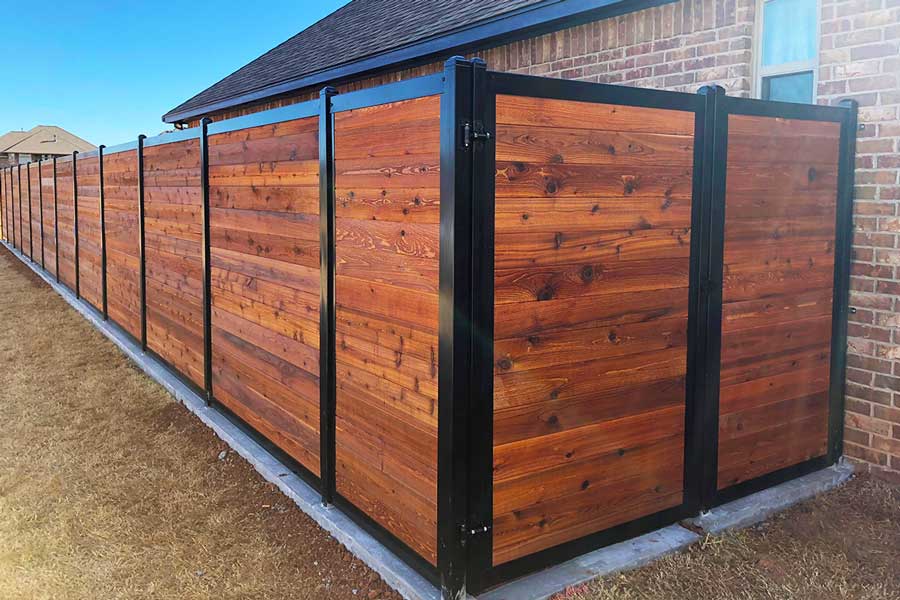
Fence position matters as much as height. A boundary placed too close to activity areas can restrict movement. Strategic setbacks create usable space near patios or gardens. Gates also deserve careful placement. A Fencing company in Buda, TX can assess circulation patterns before installation begins.
Could Height Improve Everyday Comfort?
Greater height can reduce direct views from neighboring areas. However, excessive height may block natural light or dominate smaller yards. A balanced design considers viewing angles rather than relying on measurements alone. Privacy panels near patios may need different dimensions from side boundaries.
Small Details Strengthen Fence Performance
Hardware, post spacing, and gate placement influence daily use. Weak connections can create movement or alignment issues over time. Well-positioned posts provide structural support across longer runs. Useful details include:
- Reinforce corners where directional changes occur.
- Position gates around natural walking routes.
- Keep bottom gaps consistent across panels.
- Check drainage before setting posts.
- Coordinate fence lines with landscaping.
A Boundary Can Define More Than Privacy
A carefully fitted fence can change how outdoor space functions. For example, a screened patio creates a more private seating zone without consuming additional floor area. That distinction matters because privacy becomes part of yard planning, rather than an afterthought added along the perimeter.
FAQs
What affects fence privacy most?
Height, panel spacing, placement, and surrounding sightlines strongly influence outdoor privacy and visual separation.
Can fencing follow uneven ground?
Yes. Custom panels and adjusted post heights can accommodate slopes, corners, and changing ground levels.
Does fence material affect maintenance?
Yes. Different materials require different cleaning, finishing, repair, and weather-care routines over time.
Should gates match the fence design?
Matching gates create a consistent appearance while supporting smooth access and practical movement around the yard.
Can custom fencing work around landscaping?
Yes. Fence placement can accommodate trees, garden beds, pathways, and other existing yard features.